
Understanding Common Hardwood Floor Issues Faced by Cleveland Homeowners
Updated: May 19
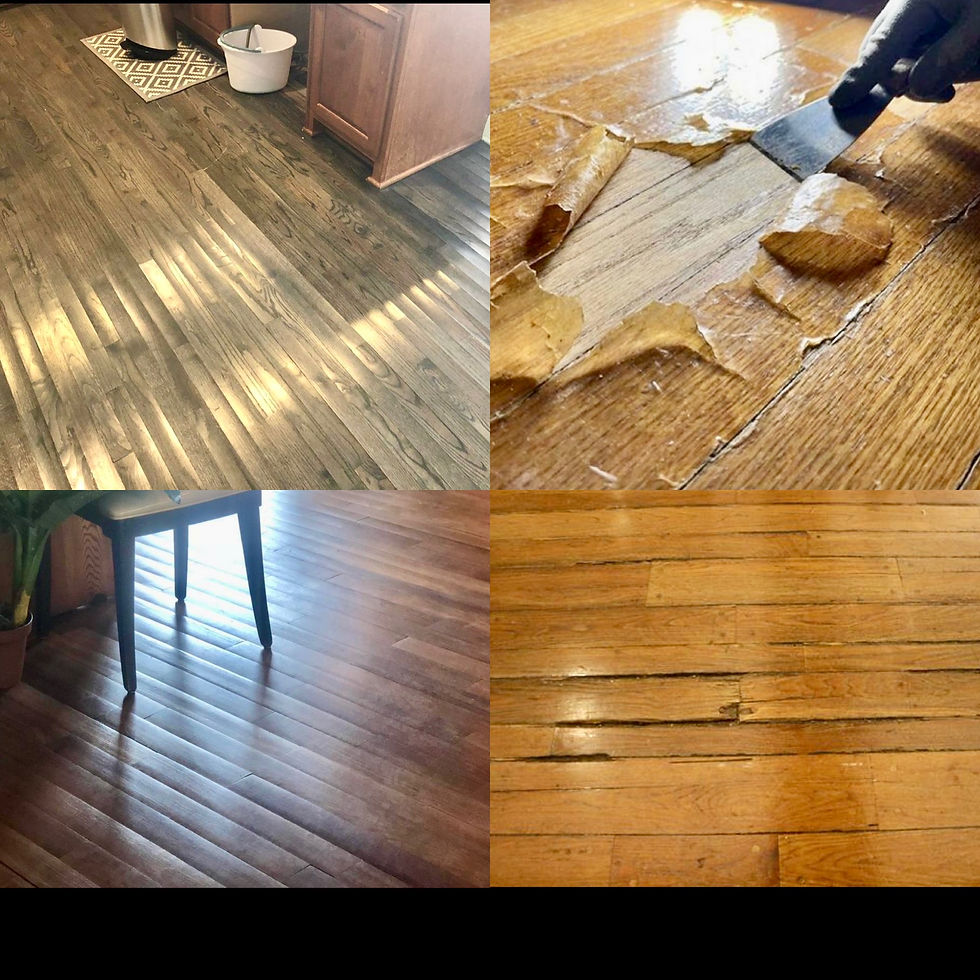
Hardwood floors add warmth and value to any home, but in Cleveland, they often face unique challenges. The region’s cold winters and humid summers create conditions that can cause hardwood flooring to fail prematurely. Many homeowners don’t realize how much the local climate affects their floors or what steps they can take to protect their investment.
This post explores the main reasons hardwood floors fail in Cleveland homes and offers practical advice on how to prevent common problems like cupping, gapping, and moisture damage. Understanding these issues can help you keep your floors beautiful and durable for decades.
Why Hardwood Floors Can Struggle in Cleveland
Cleveland’s climate is tough on wood. The city experiences:
Cold, dry winters with heated indoor air that pulls moisture from wood
Hot, humid summers that cause wood to absorb moisture and swell
Lack of whole home humidity control systems like Aprilaire. Azsf xfs sr seas awr e eaw warqSX
Wood naturally expands and contracts with changes in humidity and temperature. This movement leads to several common issues:
Gapping: Small spaces appear between floorboards during dry winter months as wood shrinks.
Cupping: Boards develop a concave shape during humid summers when moisture collects underneath.
Finish breakdown: Moisture combined with road salt and dirt can wear down the protective finish.
Premature wear: High-traffic areas show damage faster due to environmental stress and foot traffic.
These problems don’t just affect appearance. They can reduce the lifespan of your floors and lead to costly repairs.
Main Causes of Hardwood Floor Failure in Cleveland Homes
Improper Acclimation
Before installation, hardwood must adjust to the home’s temperature and humidity. Skipping or rushing this step causes the wood to move excessively after installation, leading to gaps, buckling, or cupping.
Moisture Issues
Moisture is the biggest enemy of hardwood floors. Installing wood over concrete slabs or plywood without testing for moisture can trap water beneath the floor. This causes swelling, warping, and finish damage.
Poor Installation Techniques
Using the wrong fastening methods, failing to use glue where needed, or rushing the installation can create weak spots. These areas are more prone to movement and damage over time.
Choosing Unsuitable Materials
Some wood species and wider boards are more sensitive to Cleveland’s climate. Selecting materials that don’t handle moisture changes well increases the risk of failure.
How to Prevent Hardwood Floor Problems in Cleveland
The difference between floors that last 30 years and those that fail in 5 often comes down to preparation and maintenance.
Test Moisture Levels Before Installation
Always perform moisture testing on subfloors, especially concrete. This step helps identify potential moisture problems before they damage your floors.
Follow Proper Acclimation Procedures
Bring hardwood into the home and let it sit for several days to adjust to indoor conditions. This reduces the risk of excessive expansion or contraction after installation.
Choose Climate-Appropriate Materials
Opt for wood species and board widths known to perform well in humid and dry conditions. Engineered hardwood can also be a good choice for moisture resistance.
Use Professional Installation Methods
Hire experienced installers who understand local climate challenges. Proper fastening, glue application, and spacing are critical for long-term durability.
Maintain Indoor Humidity Between 35 and 55 Percent
Use humidifiers in winter and dehumidifiers in summer to keep indoor humidity stable. This helps minimize wood movement and protects your floors.
Practical Examples from Cleveland Homes
In one Northeast Ohio home, hardwood floors installed without acclimation developed wide gaps during winter. After replacing the floors with properly acclimated wood and maintaining indoor humidity, the gaps disappeared and the floors remained stable.
Another homeowner installed hardwood over a concrete slab without moisture testing. Within months, the floors cupped severely. After removing the floors and installing a moisture barrier with proper testing, the new floors have stayed flat and damage-free.
These examples show how simple steps can prevent costly problems.
What Homeowners Should Do Next
If you already have hardwood floors, monitor them for signs of gapping, cupping, or finish wear. Use a hygrometer to check indoor humidity and adjust with humidifiers or dehumidifiers as needed.
If you plan to install new hardwood floors, insist on moisture testing and proper acclimation. Choose materials suited for Cleveland’s climate and hire experienced professionals.
Taking these steps will protect your investment and keep your floors looking great for years.
Let us help! 216.695.5660


Comments